What Is the Utah Nickname?
When people search for the Utah nickname, they are usually looking for a simple answer.
Utah is officially known as “The Beehive State.
” However, there is much more behind this famous nickname than just a symbol of bees and honey.
Utah is called “The Beehive State.”
The Beehive State nickname represents hard work, cooperation, industry, perseverance, and community values.
It shows how people work together like bees in a hive to achieve common goals.
Utah is called “The Beehive State.”
This nickname comes from the beehive symbol, which shows hard work and teamwork.
It means people in Utah work together like bees in a hive.
The beehive has been an important symbol in Utah since early settlement times and is still used today on flags, buildings, and signs.
In 2026, many people still learn about this nickname in school, see it in tourism, and share it on social media.
It is a simple symbol of teamwork, effort, and unity.
Table of Contents
- Utah Nickname Overview
- Why Utah Is Called the Beehive State
- History of the Utah Nickname
- Meaning Behind the Beehive State
- Origin of the Beehive Symbol
- Utah Nickname and State Identity
- The Beehive State in American History
- Why the Beehive Represents Utah
- Utah Nickname in Education
- Utah Nickname in Tourism
- Social Media Trends Around the Utah Nickname
- Utah Nickname and Modern Culture
- Utah Nickname Compared to Other State Nicknames
- Fun Facts About the Utah Nickname
- Why Americans Love the Beehive State
- Future of the Utah Nickname
- Final Thoughts on the Beehive State
- FAQs
Utah Nickname Overview

The official Utah nickname is The Beehive State. The nickname comes from the beehive symbol, which represents industry, hard work, and cooperation.
For generations, Utah residents have used the beehive as a symbol of teamwork and hard work. It shows the values that helped early settlers build strong communities in difficult conditions.
Key Facts About the Utah Nickname:
- Utah is called “The Beehive State.”
- The beehive symbolizes hard work and teamwork.
- It comes from early Utah settlers who worked together to build communities.
- The beehive is still used on Utah’s flag and state symbols today.
- In 2026, the nickname is still popular in schools, tourism, and culture.
- 🐝 Official nickname: The Beehive State
- 🇺🇸 Recognized throughout America
- 📚 Taught in schools nationwide
- 🏛️ Appears on state symbols
- 💪 Represents hard work
- 🤝 Symbolizes cooperation
- ⭐ Reflects community values
- 🌎 Known internationally
- 📸 Popular in tourism marketing
- 🎉 Celebrated during state events
- 📖 Connected to Utah history
- 🚀 Represents progress
- 🧭 Symbol of perseverance
- ❤️ Encourages unity
- 🌄 Reflects pioneer heritage
- 🏆 One of America’s most meaningful nicknames
The nickname remains one of the strongest representations of state values in the United States.
Why Utah Is Called the Beehive State
Many people wonder why Utah chose a beehive as its symbol.
The answer dates back to the state’s early settlers, who admired the organization and productivity of bees. They viewed the beehive as a perfect representation of teamwork, dedication, and collective effort.
Reasons Utah Earned the Nickname
- 🐝 Symbol of industry
- 💪 Represents hard work
- 🤝 Encourages cooperation
- 🏡 Reflects community building
- 🌄 Connected to pioneer history
- ❤️ Inspires unity
- 📚 Educational significance
- ⭐ Strong cultural meaning
- 🇺🇸 Unique among state nicknames
- 🏛️ Official state symbol
- 🎉 Celebrated statewide
- 🌎 Recognized globally
- 🚀 Represents growth
- 📖 Historical importance
- 🧭 Symbol of perseverance
- 🏆 State pride
The nickname reflects values that continue to shape Utah today.
History of the Utah Nickname
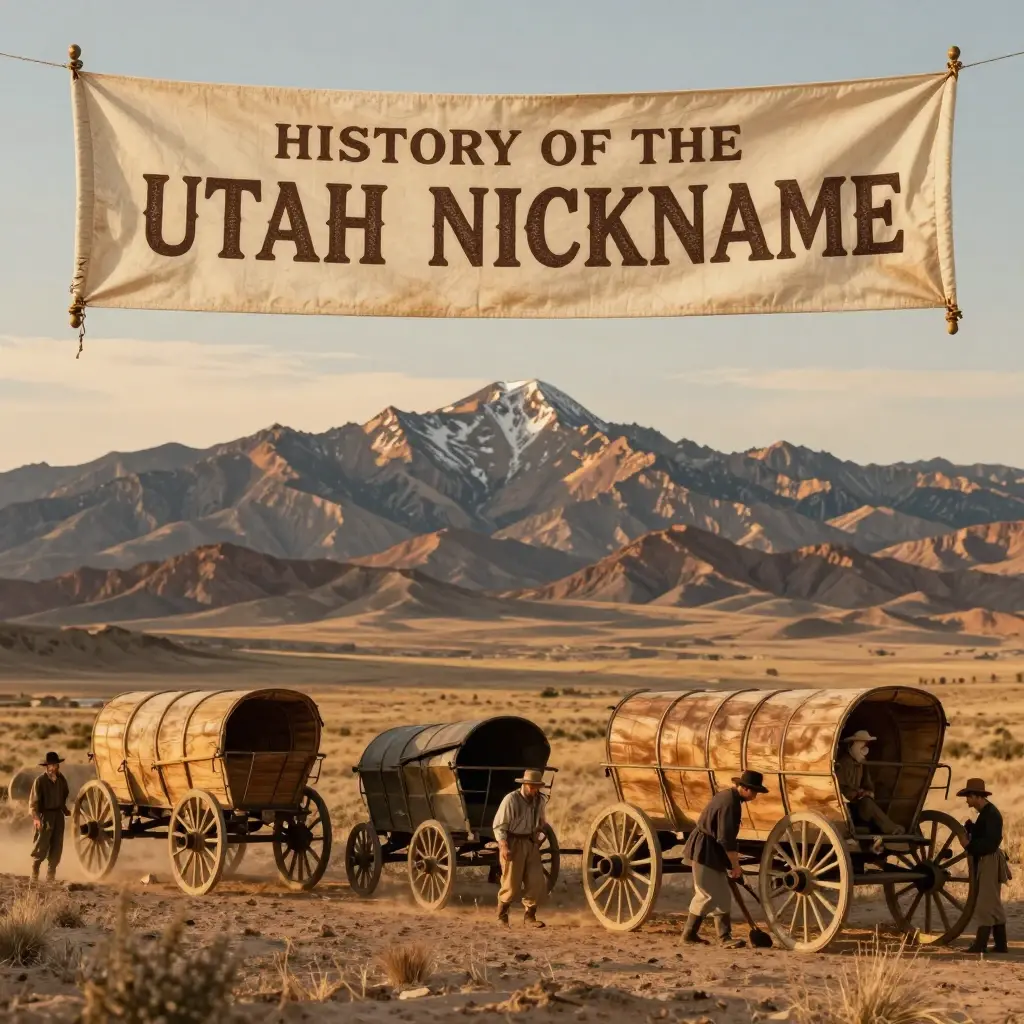
The history of the Utah nickname is closely tied to the state’s settlement period.
Early pioneers faced difficult conditions and relied heavily on teamwork and cooperation. Because bees work together efficiently for the benefit of the entire colony, the beehive became a natural symbol for their communities.
It represents teamwork, cooperation, and unity among people.Historical Highlights
- 📜 Rooted in pioneer history
- 🏡 Connected to early settlements
- 🐝 Inspired by bee colonies
- 💪 Symbolized hard work
- 🤝 Encouraged cooperation
- 🌄 Reflected frontier life
- 📚 Included in historical records
- 🏛️ Adopted as a state symbol
- 🎉 Celebrated by residents
- 📖 Preserved through education
- 🌎 Became nationally known
- ⭐ Maintained through generations
- ❤️ Inspired community pride
- 🚀 Represented development
- 🧭 Symbolized resilience
- 🏆 Enduring state identity
The nickname remains deeply connected to Utah’s heritage.
Utah State Nickname
- Interesting Facts
- 🐝 Utah is officially known as the Beehive State
- 🍯 The beehive symbolizes hard work, industry, and cooperation
- 🏛️ The beehive appears on Utah’s official state flag and state seal
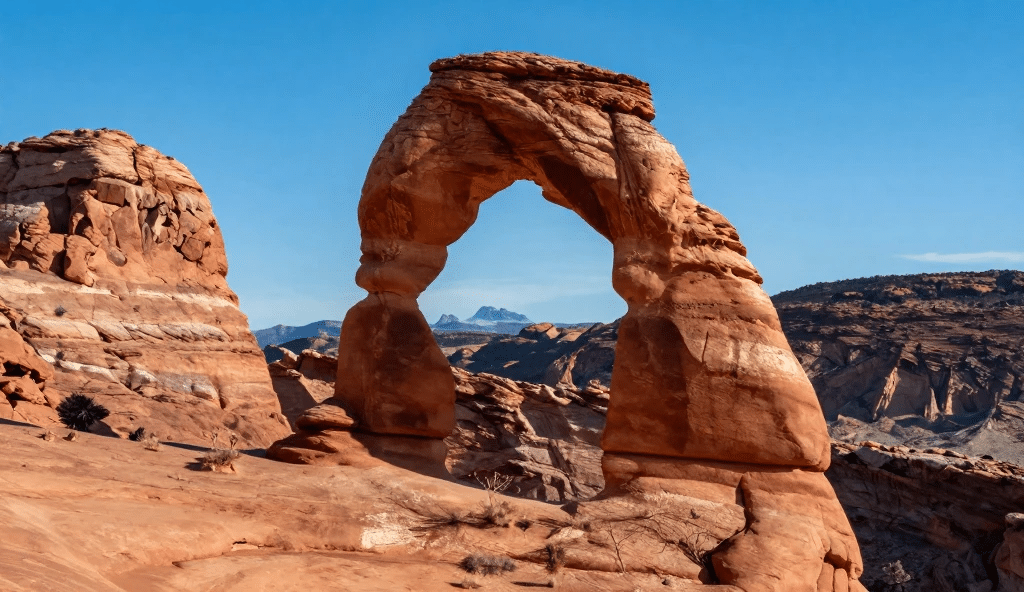
- 🌄 Utah is famous for its breathtaking mountains, deserts, and red rock landscapes
- 🏞️ The state is home to five spectacular national parks, known as the “Mighty Five”
- ⛷️ Utah is one of the world’s top destinations for skiing and snowboarding
- 🌵 It features unique natural wonders such as arches, canyons, and rock formations
- 🌎 The Beehive State nickname is recognized throughout the United States
- 📚 Students commonly learn this nickname in U.S. geography classes
- 🎉 The nickname is widely used in tourism and official state branding
- 🧭 It reflects Utah’s history, values, and pioneering spirit
- ❤️ Residents proudly embrace the Beehive State identity
- ⭐ Utah became the 45th U.S. state in 1896
- 🌟 The state is also known for its strong outdoor recreation and adventure tourism
- 🏆 The Beehive State remains Utah’s official and most recognized nickname in 2026.
Meaning Behind the Beehive State
The Beehive State carries a powerful meaning that extends beyond insects or honey production.
It represents collective effort, responsibility, productivity, and the belief that communities become stronger when people work together.
What the Beehive State Represents
- 🐝 Industry
- 💪 Hard work
- 🤝 Cooperation
- ❤️ Community
- 🏡 Stability
- 🌄 Determination
- 🚀 Growth
- 📖 Tradition
- ⭐ Excellence
- 🎯 Purpose
- 🌎 Progress
- 🧭 Responsibility
- 🎉 Unity
- 🇺🇸 American values
- 📚 Education
- 🏆 Success
These values continue to resonate with Americans in 2026.
Origin of the Beehive Symbol
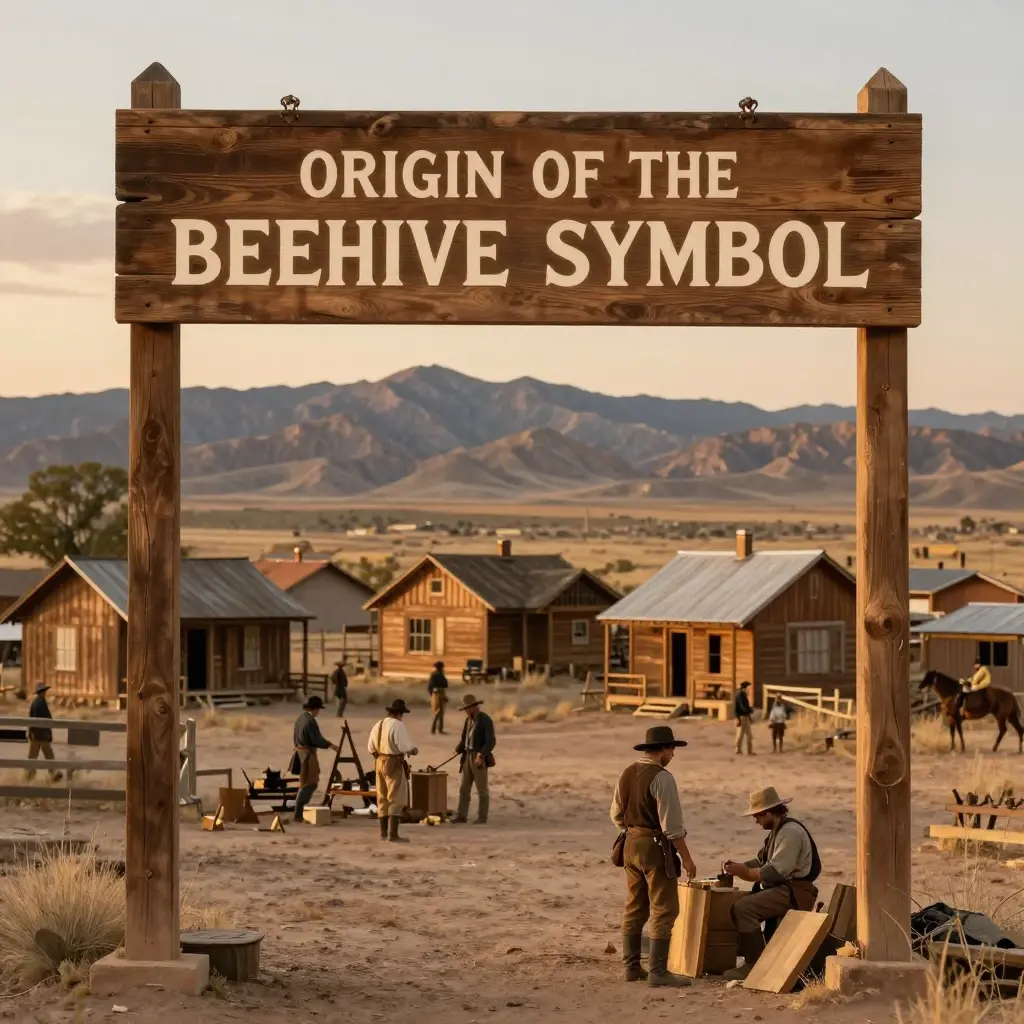
The beehive symbol has a long history in Utah culture.
Early settlers admired how bees work together toward shared goals. They viewed the beehive as an example of what successful communities should look like.
Origins of the Symbol
- 🐝 Inspired by nature
- 🏡 Connected to settlement efforts
- 📖 Historical roots
- 💪 Symbol of labor
- 🤝 Representation of teamwork
- ❤️ Encourages cooperation
- 🌄 Pioneer influence
- 📚 Educational importance
- 🏛️ Government recognition
- 🌎 National awareness
- 🎉 Community celebrations
- ⭐ Cultural significance
- 🚀 Symbol of growth
- 🧭 Shared responsibility
- 🇺🇸 American heritage
- 🏆 Lasting relevance
The beehive remains one of Utah’s most recognizable symbols.
Utah Nickname and State Identity
The Beehive State has become an important part of Utah’s identity.
Residents often view the nickname as a reminder of the values that helped shape the state and continue to influence its culture today.
Identity Connections
- ❤️ State pride
- 🐝 Community values
- 💪 Work ethic
- 🤝 Teamwork
- 📚 Educational significance
- 🌎 National recognition
- 🏡 Cultural heritage
- 🚀 Progress
- 🌄 Pioneer legacy
- ⭐ Positive reputation
- 🧭 Shared goals
- 🎉 Community celebrations
- 🇺🇸 American identity
- 📖 Historical awareness
- 🏛️ Government symbolism
- 🏆 Strong state image
The nickname helps define how Utah presents itself to the world.
Utah Nickname in Tourism
Tourism organizations frequently use the Utah nickname to promote the state’s culture and values.
Visitors are attracted not only by Utah’s landscapes but also by the welcoming spirit represented by the Beehive State.
Tourism Benefits
- 🌄 Promotes state identity
- 📸 Supports travel marketing
- 🌎 Attracts international visitors
- 🏞️ Highlights local culture
- ❤️ Creates memorable branding
- 🚗 Encourages road trips
- 📚 Educational tourism
- 🎉 Event promotion
- 🧭 Cultural exploration
- 🏡 Historic destinations
- ⭐ Positive image
- 🇺🇸 National appeal
- 🐝 Unique symbolism
- 🌍 Global recognition
- 📖 Historical interest
- 🏆 Strong tourism value
The nickname remains a valuable tourism asset.
Social Media Trends Around the Utah Nickname
In 2026, social media continues boosting interest in state nicknames.
Travel creators and influencers frequently use Utah’s nickname in hashtags and content.
Popular Social Media Uses
- 📱 #BeehiveState
- 📸 Instagram travel photos
- 🎥 TikTok adventure videos
- ❤️ State pride posts
- 🏞️ National park content
- 🌄 Hiking reels
- 🚗 Road trip videos
- ⭐ Influencer campaigns
- 📚 Educational content
- 🐝 State history pages
- 🎉 Event coverage
- 🌎 Tourism promotions
- 🏡 Lifestyle content
- 🇺🇸 American travel guides
- 📖 Historical storytelling
- 🚀 Trend-based content
The nickname continues reaching new audiences online.
Fun Facts About the Utah Nickname
The Beehive State has several fascinating facts associated with it.
Interesting Facts
- 🐝 The beehive is Utah’s official emblem
- 📚 Students learn about it in school
- 🌎 Known throughout America
- 🏛️ Used in government symbols
- ❤️ Represents cooperation
- 💪 Symbolizes hard work
- 🚀 Reflects growth
- ⭐ Unique among state nicknames
- 🧭 Connected to pioneer heritage
- 📖 Rooted in history
- 🌄 Linked to settlement efforts
- 🎉 Celebrated during events
- 📸 Appears in tourism campaigns
- 🇺🇸 Recognized nationwide
- 🏡 Reflects community values
- 🏆 Remains relevant in 2026
FAQs
Q1: What is Utah’s nickname?
A: The Beehive State.
Q2: Why is Utah called the Beehive State?
A: Because the beehive symbolizes hard work, industry, and cooperation.
Q3: What does the beehive represent?
A: It represents teamwork, productivity, and community effort.
Q4: Is the Beehive State Utah’s official nickname?
A: Yes, it is the official state nickname.
Q5: Why is the beehive important in Utah?
A: It reflects the values of early settlers and state culture.
Q6: Is the nickname still used today?
A: Yes, it is widely used in tourism, education, and government materials.
Q7: Does Utah use the nickname in branding?
A: Yes, many organizations use it for promotion and identity.
Q8: What makes the Beehive State unique?
A: It focuses on values rather than geography or climate.
Q9: Is the nickname popular on social media?
A: Yes, especially in travel and state-pride content.
Q10: Is the Utah nickname relevant in 2026?
A: Yes, it remains widely recognized and respected.
Conclusion:
The Utah nickname, “The Beehive State,” represents much more than a simple symbol. It reflects hard work, cooperation, determination, and community values that have shaped Utah for many years.
In 2026, this nickname is still used in schools, tourism, and social media. It helps people learn about Utah’s culture and history.
The “Beehive State” shows that when people work together, they can build strong and successful communities.
